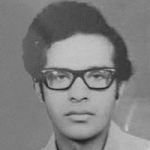
Sarvat Hussain (also spelled Sarwat Husain or Sarwat Hussain; pen name: ‘Sarvat’) was a prominent Pakistani Urdu poet and educator, associated with Pakistan’s “New Wave” (Jadid) movement in modern Urdu literature.
Early Life and Education
He was born on November 9, 1949, in Karachi, Sindh, Pakistan, and grew up there. Details about his early education are limited in public sources, but he developed a strong interest in literature during his student years.
Career
Sarvat Hussain taught Urdu literature at various government colleges in Pakistan. His deep command of the Urdu language, combined with the modernity and freshness of his ideas, made him a popular and respected figure among students and in literary circles. He also wrote poetry in Punjabi alongside Urdu.
Literary Work and Style
He is admired for his fresh imagery, spare and impactful diction, and departure from traditional romanticism toward more introspective, honest, and modern themes. His poetry often explores personal emotions, loneliness, loss, inner conflict, and the human condition with piercing clarity and simplicity.
His major published collections include:
- Aadhe Sayyare Par (On Half the Planet, 1987) — his first collection, which received significant acclaim.
- Khakdaan (posthumously published) — a second collection released after his death.
A Kulliyat (collected works) has also been published later. His verses continue to attract new readers across generations for their emotional resonance and innovative style.
Personal Life and Struggles
During his student days, Sarvat fell in love with a fellow female student who later became a well-known feminist Urdu poet. The relationship reportedly strained as she gained fame while he faced professional and personal challenges, including periods of unemployment before securing a lecturing position. Job transfers (including to a small town near Larkana and later to Hyderabad) contributed to feelings of isolation and separation from loved ones.
He struggled with psychological issues, including depression, and was reportedly under treatment in his later years. His life was marked by sadness and mental health challenges, themes that often appeared in his honest and unfiltered poetry
Death
Sarvat Hussain died on September 9, 1996, in Karachi at the age of 46. His death resulted from a train accident widely described in literary sources as suicide (some accounts note prior suicide attempts). This tragic end cut short a promising literary career and is often discussed in the context of mental health struggles among creative figures in Urdu literature.
Legacy
Though not as widely mainstream as some contemporaries, Sarvat Hussain remains a respected voice in modern Urdu poetry. His work is valued for its modernity, emotional depth, and role in the “New Wave” movement. He is remembered both for his artistic contributions and the poignant tragedy of his life.
Note: There are other individuals with similar names (e.g., academics or activists named Sarwat Hussain), but the poet Sarvat Hussain (1949–1996) is the figure most commonly associated with biographical inquiries in literary contexts. Some online sources occasionally mix minor details (e.g., birth year or place), but consistent accounts from reliable Urdu literary sites confirm the above timeline and Karachi origin.